How to Choose the Right Bathroom Layout
Choosing a bathroom layout can feel harder than it sounds. The bathroom is one of the most used spaces in any home, yet it often gets less thought than kitchens or living rooms. A well-planned layout can make mornings easier, keep things tidy, and even add to the value of a house. A poorly planned one can lead to daily headaches.
This guide will walk you through the main things to think about when choosing the right bathroom layout. We will keep it simple and easy to follow, while also giving you enough detail to make smart choices.
Why the Layout Matters
Bathrooms are not just about style. They need to work well in daily life. Think about how many people use the bathroom, what times of day it gets the most use, and how much space you have. A good layout balances comfort, safety, and storage.
Even small changes in layout can make a big difference. For example, placing the sink closer to the door may save steps during busy mornings. On the other hand, having the toilet as the first thing you see when you walk in might not feel right.

Step One: Measure the Space
Before anything else, measure the room. Note the length, width, and height. Write down where the doors and windows are. Don’t forget about things like sloped ceilings, columns, or other features that may limit placement of fixtures.
It can help to draw a simple sketch of the bathroom. Even a hand-drawn outline is enough to see where things can fit.
Step Two: Decide What You Need
Not every bathroom needs a bathtub. Some may only need a shower, toilet, and sink. In a main bathroom, you may want double sinks. In a guest bathroom, a single sink may be fine.
Make a list of must-haves. Then add nice-to-haves. This will help when you compare different layout options.
Step Three: Think About Plumbing
Plumbing can be costly to move. If you want to save money, try to keep the sink, toilet, and shower close to the existing pipes. Moving them across the room may give you the perfect layout, but it also means higher costs.
This is where a balance has to be found between design and budget.
Common Bathroom Layouts
Here are some of the most common layouts people use.
Full Bathroom with One Wall Layout
In this design, the sink, toilet, and shower or tub all line up along one wall. It works well in narrow spaces and is cheaper to build because all the plumbing is in one line.
Full Bathroom with Two Wall Layout
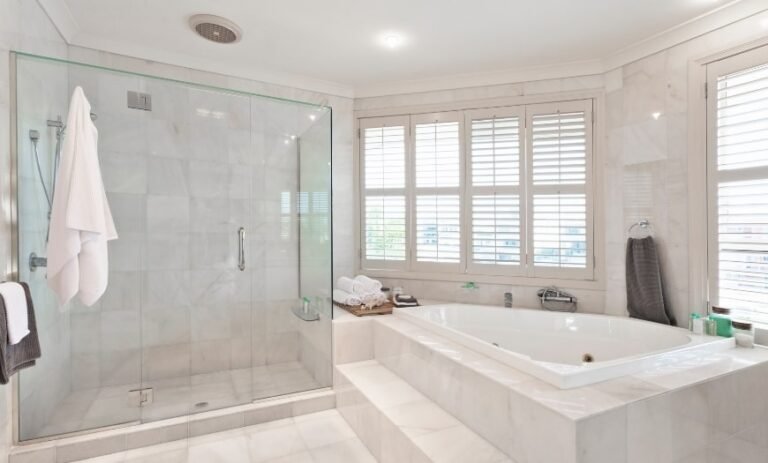
Fixtures are split between two walls. The toilet and sink might share one wall, while the tub or shower sits opposite. This makes the room feel more open but still keeps plumbing simple.
Full Bathroom with Three Wall Layout
This type spreads the sink, toilet, and shower each on their own wall. It offers the most comfort but also costs more. This is common in larger master bathrooms.
Powder Room
A powder room, or half bath, only needs a toilet and a sink. These are often near living rooms or entryways for guests.
Storage in the Layout
Don’t forget storage. A bathroom without storage can feel cluttered fast. Think about where towels, toiletries, and cleaning items will go. Built-in cabinets, under-sink storage, or shelves can make a big difference.
Safety Matters
Bathrooms can be slippery. Make sure there is enough space to move without bumping into sharp corners. Leave clear walking paths. Non-slip flooring and grab bars may also be worth adding, especially if older family members will use the space.

Lighting and Ventilation
A bathroom without good lighting feels dark. Plan for ceiling lights and mirror lights at the very least. Natural light is even better if you can have a window.
Ventilation is just as important. Without it, the room can stay damp and grow mold. Make sure to include a fan or window that can open.
How to Test a Layout Before Building
One way to test a layout is to tape it out on the floor. Use painter’s tape to mark where the toilet, sink, and shower would go. Then walk through the space. This can give you a feel for how the room will flow.
Mistakes to Avoid
- Putting the toilet in direct view of the door
- Forgetting enough clearance around the shower door
- Ignoring storage needs
- Overcrowding with too many fixtures
- Poor lighting choices
Small Bathroom Tips
Small bathrooms need special care. Here are a few ideas:
- Use a corner sink
- Choose a sliding shower door instead of a swinging one
- Add shelves above the toilet
- Use mirrors to make the space feel larger
Large Bathroom Ideas
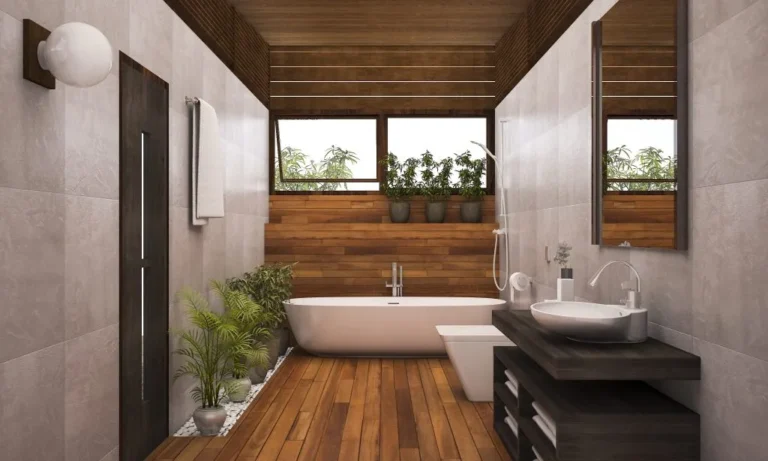
Bigger bathrooms give more freedom, but they also need smart planning. Large spaces can feel empty if not balanced. Adding a freestanding tub in the center or dividing the room into zones (vanity area, shower area, toilet area) can help.
Thinking About Future Needs
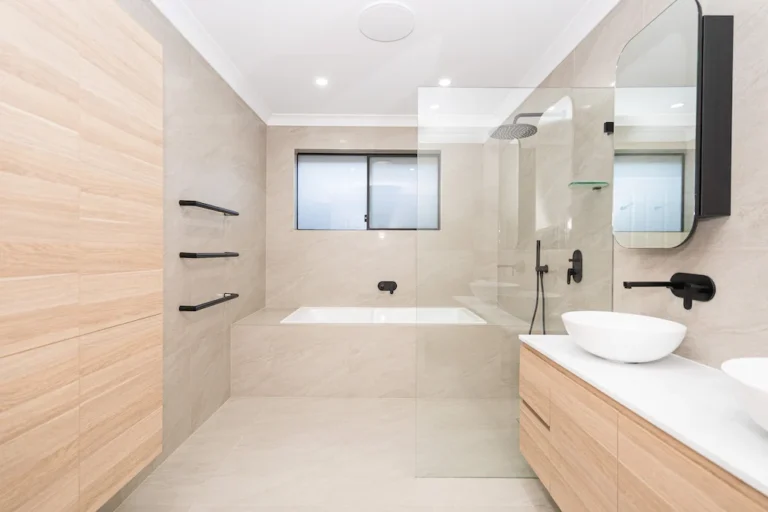
If you plan to live in the home for years, think about future needs. Adding a walk-in shower instead of a tub may be easier as people age. Wider doorways and flat floors can also make the bathroom more accessible.
Balancing Style and Function
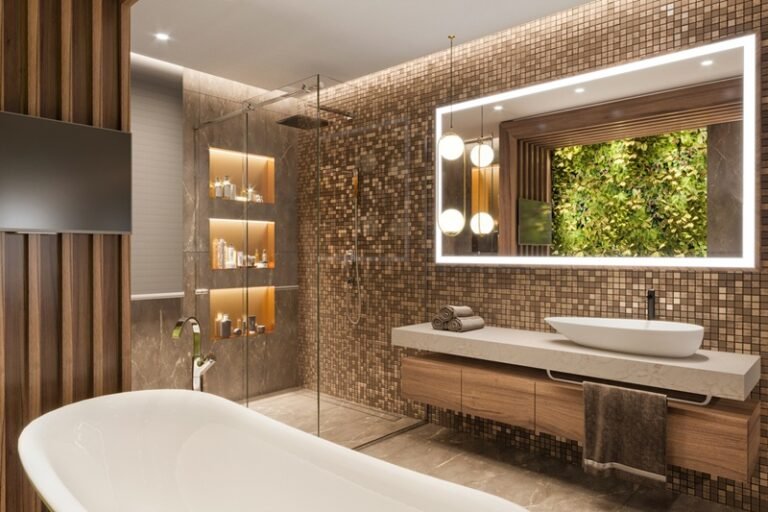
A bathroom should look nice, but it should also be easy to use. Try not to let style choices get in the way of daily comfort. A vessel sink may look nice but could be harder to clean. A glass shower may feel modern but might need more upkeep.
Budget Planning
Set a budget early. Decide where to spend more and where to save. For example, you might spend more on a good shower but save on simple tile.
Final Checklist
Before you decide on a layout, ask yourself:
- Does it fit the space?
- Does it meet daily needs?
- Is it safe?
- Is there enough storage?
- Can it fit the budget?
Conclusion
Choosing the right bathroom layout takes thought, but it does not have to be hard. Measure the space, decide on your needs, and test ideas before making final choices. Keep both comfort and style in mind. A good layout will not only look good but also make life easier every day.
By taking time to plan, you can create a bathroom that works well for today and tomorrow.