How to Choose Bathroom Fixtures
Picking bathroom fixtures might sound simple, but once you step into a showroom or scroll through online stores, it quickly becomes clear how many choices there are. Faucets, sinks, toilets, tubs, showers, handles, mirrors—the list goes on. Every option comes in different sizes, shapes, and finishes. With so much to consider, it’s easy to feel stuck. This guide will walk you through the process step by step, with plain advice you can actually use.
Why Fixtures Matter
Fixtures aren’t just the finishing touch. They change how a bathroom looks and how it works every single day. A faucet that drips or a toilet that clogs often will drive you nuts. On the flip side, the right sink or showerhead can make daily routines feel easier. Small choices add up to big effects.
Start with a Plan
Before you buy anything, think about your bathroom as a whole. Ask yourself:
- How much space do you have?
- What’s your budget?
- Who will use this bathroom most?
- Do you want modern style, classic look, or something in between?
Without a plan, it’s easy to waste money on items that don’t fit your space or your needs.
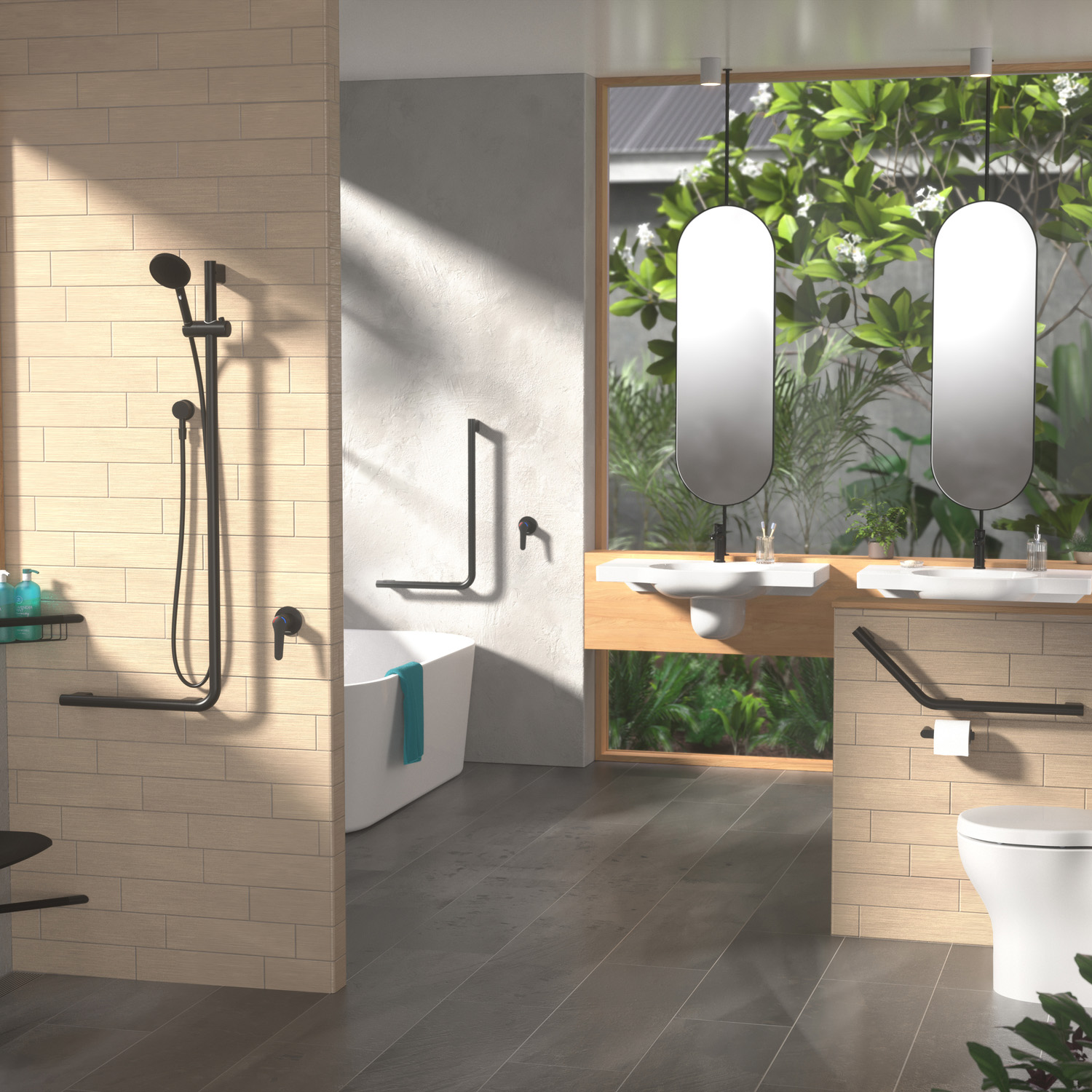
Understanding the Basics
Faucets
Faucets come in a few main types: single-handle, double-handle, and touchless. Single-handle faucets are simple and take less space. Double-handle ones give more control over hot and cold water. Touchless faucets are nice for hygiene but may cost more.
Sinks
You’ll find pedestal sinks, wall-mounted sinks, vessel sinks, and undermount sinks. Each has pros and cons. A pedestal sink saves space but has no storage. An undermount sink gives a clean look and pairs well with counters.
Toilets
Toilets vary in height, flush style, and shape. Comfort-height models are a bit taller and easier for older adults. Dual-flush toilets save water by offering two flush options.
Showers and Tubs
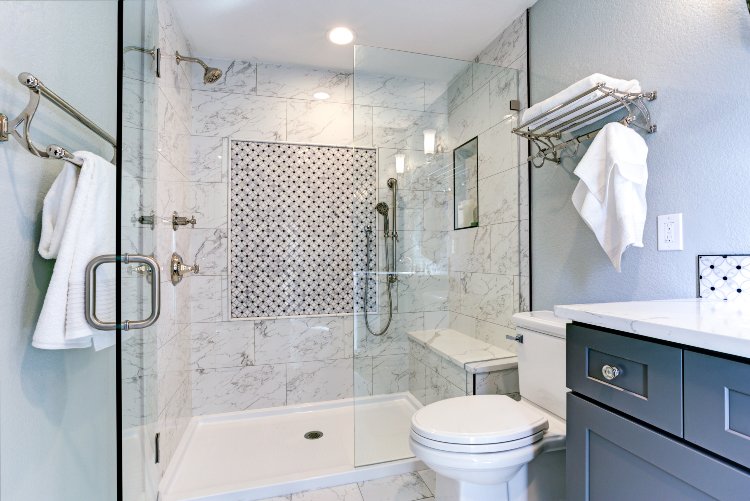
Some bathrooms can fit both, others only one. Walk-in showers save space and are easier for those with mobility issues. A soaking tub, on the other hand, is perfect if you enjoy long baths.
Lighting
Don’t forget lighting—it’s a fixture too. Good lighting can make a small bathroom look bigger and help you avoid shadows when shaving or putting on makeup.
Balancing Style and Function
A fancy fixture might look nice in the store, but ask if it works for your daily life. A flat spout faucet may look sleek but splash more in a shallow sink. Vessel sinks are stylish but often harder to clean. Think about who uses the bathroom: kids, older adults, or guests may all have different needs.
Materials and Finishes
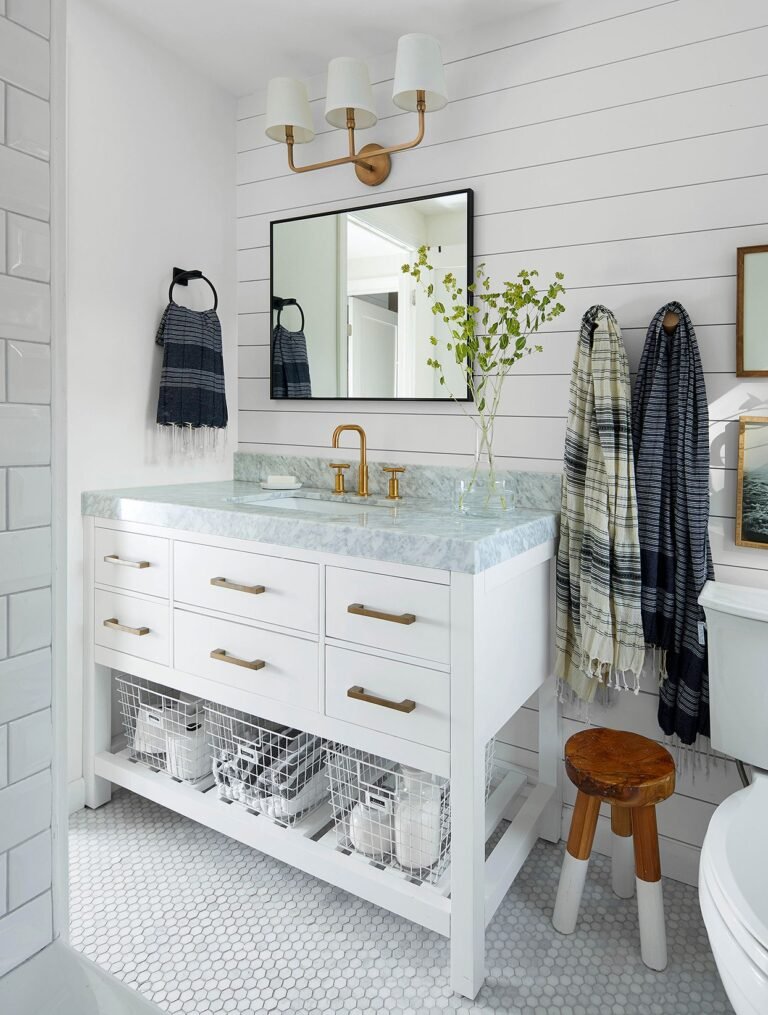
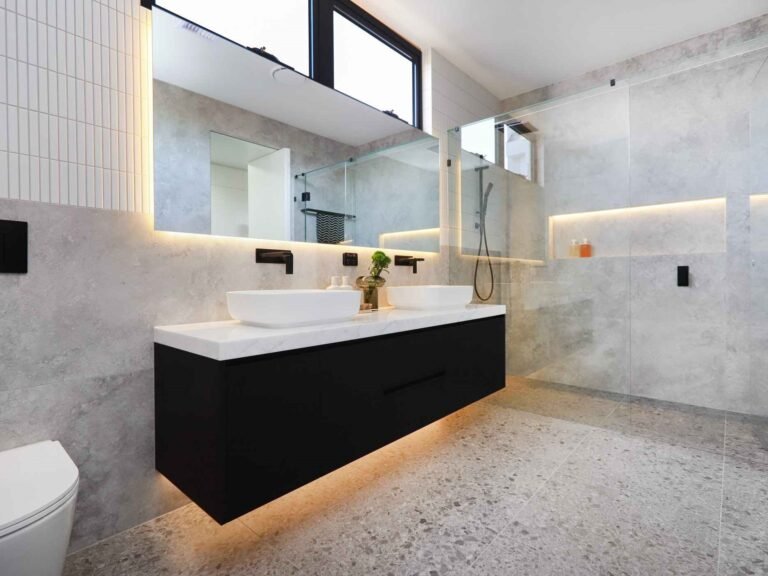
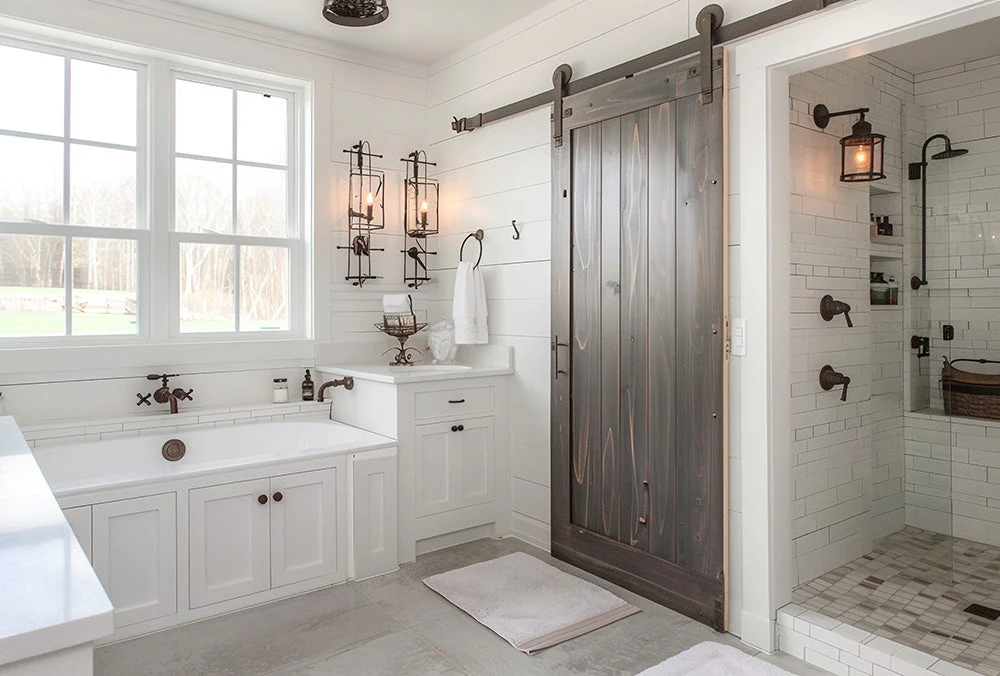
Most fixtures come in a few standard finishes: chrome, brushed nickel, bronze, and matte black. Chrome is affordable and easy to clean. Brushed nickel hides fingerprints better. Bronze gives a warm, classic feel. Matte black is bold and trendy but may show soap spots.
Durability matters too. Brass and stainless steel tend to last longer than plastic parts. It may cost more upfront, but it saves you from repairs later.
Budgeting Wisely
Bathroom fixtures come at every price point. You don’t always need the most expensive brand, but the cheapest option often wears out faster. A good rule is to spend a little more on the pieces you’ll use the most—like faucets and toilets—and save on extras like towel racks.

Matching Fixtures
A mix of finishes can work if done carefully, but sticking with one finish usually looks more put-together. For example, pairing chrome faucets with bronze handles can look mismatched unless the design ties them together.
Installation Considerations
Some fixtures are easy for a handy homeowner to install, like towel bars or mirrors. Others, like toilets or shower systems, usually require a plumber. Factor in installation costs when setting your budget.
Common Mistakes to Avoid
- Buying before measuring your space.
- Choosing style over function.
- Ignoring water efficiency ratings.
- Forgetting to budget for installation.
- Mixing too many finishes.
Eco-Friendly Choices
Water-saving fixtures aren’t just good for the planet; they lower your utility bills. Look for faucets and showerheads labeled “WaterSense.” Dual-flush toilets also save gallons of water every day.
Cleaning and Maintenance
A shiny fixture looks great at first, but consider upkeep. Chrome shines but shows spots. Matte finishes hide smudges better. Complicated designs may trap dirt, while simple shapes are easier to wipe down.
Table: Fixture Choices at a Glance
| Fixture Type | Pros | Cons |
|---|---|---|
| Single-handle faucet | Easy to use, space-saving | Less precise temperature control |
| Double-handle faucet | More control over water | Takes more space |
| Pedestal sink | Saves floor space | No storage |
| Undermount sink | Sleek look, easy clean-up | Requires counter |
| Comfort-height toilet | Easier for older adults | Not always good for kids |
| Dual-flush toilet | Saves water | Higher cost |
| Walk-in shower | Space-saving, easy access | No soaking option |
| Soaking tub | Relaxing | Needs more space |
Putting It All Together
When you put the pieces together, your bathroom should match both your needs and your style. Start with the basics: sink, faucet, toilet, and shower or tub. Pick finishes that work well together. Think long term, not just what looks good right now.
Final Thoughts
Choosing bathroom fixtures doesn’t have to be overwhelming. By breaking it down—looking at space, function, style, and budget—you can find options that fit your life. Small choices make big differences, and the right fixtures will serve you well for years.